How do you protect margins when ingredient prices keep rising fast?
React to vendor price hikes before they quietly sink a dish.
Track cost changes per ingredient so you spot increases early, then respond selectively. Re-cost affected recipes, adjust portions or specs, negotiate with vendors, and reprice only where it makes sense. Feature dishes built on stable, lower-cost ingredients so a few volatile items do not sink your margins.
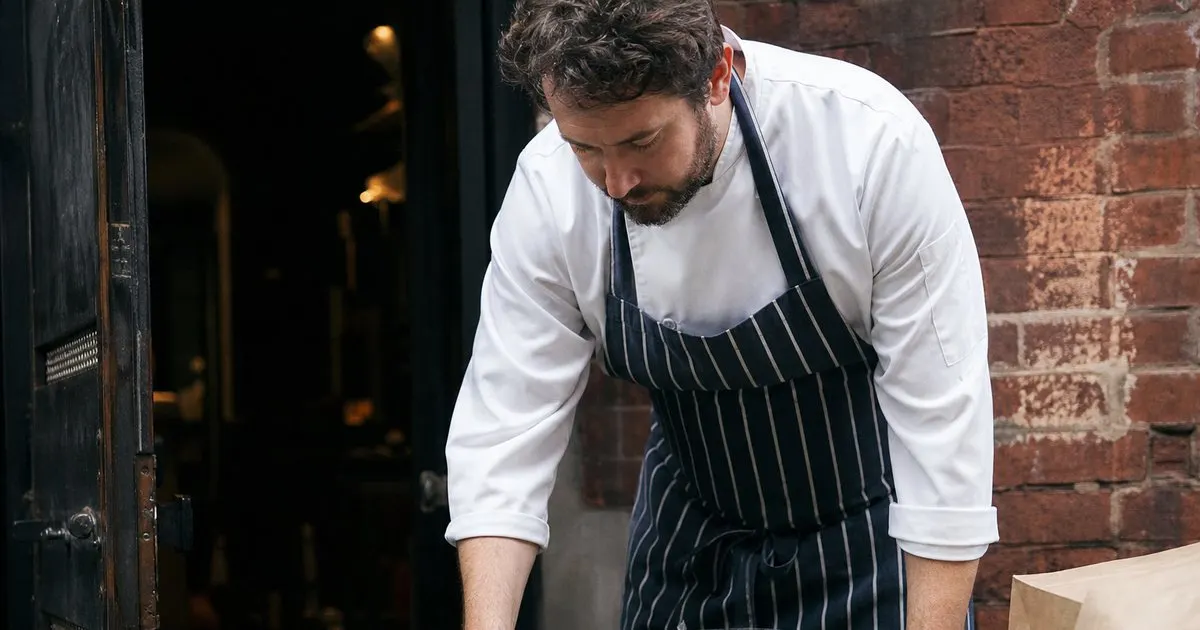
Rising costs hide in plain sight
A slow climb in vendor prices rarely triggers alarm, yet it erodes margin plate by plate. By the time you notice, months of profit are gone. Related: How should you price a menu using both plate cost and target margin?
The defense is visibility, knowing the moment a cost moves and which dishes it touches.
Keep reading: How do you cost a recipe accurately down to the true plate cost?, What is food cost percentage and why does it matter for a menu?, How should you price a menu using both plate cost and target margin?. See how PlateCostr helps you recipe food-cost and menu margin calculator.
Flag affected recipes fast
When one ingredient rises, every recipe using it shifts. Flagging those recipes immediately shows the full impact, not just the one item. Related: Why do sub-recipes make food costing more accurate across a whole menu?
That instant view tells you whether the change is a rounding error or a real threat to a dish's margin.
Choose the right response
Not every increase needs a price change, since you can adjust a portion, swap a garnish, or absorb a tiny move. The response should fit the size of the hit.
For a big, lasting increase, a price adjustment or menu change protects the margin better than hoping it reverses. Related: What is food cost percentage and why does it matter for a menu?
Watch the blended cost
Individual items matter, but so does your blended food cost across the menu. A rise in one staple can pull the whole average up. Related: How do you cost a recipe accurately down to the true plate cost?
Keeping an eye on the blended number catches death by a thousand cuts before it becomes a bad quarter.
- Slow price creep hides real losses
- Flag every affected recipe at once
- Match the response to the size of the hike
- Watch the blended food cost

Julien Jimenez
Julien Jimenez is an independent software builder based in Paris. He designs, ships, and operates focused SaaS products for small businesses and independent professionals. Read the full author page.
Frequently asked questions
Should you raise prices every time a cost goes up?
Not always. Small, frequent price hikes can annoy regulars. Absorb minor blips, but reprice or redesign a dish when a key ingredient rises sharply or stays elevated.
How can menu design ease ingredient price pressure?
Cross-utilize ingredients across several dishes so you buy in volume and waste less. Rotating specials around what is currently cheap and abundant also keeps costs flexible.
Know The True Cost Of Every Plate
Recipe food-cost and menu margin calculator. PlateCostr is built to help you put this into practice.
Start free trialMore from the PlateCostr blog

How do you cost a recipe accurately down to the true plate cost?

What is food cost percentage and why does it matter for a menu?

How should you price a menu using both plate cost and target margin?
Get the PlateCostr playbook
Practical guides on menu costing and margin, straight to your inbox as we publish them. No spam, unsubscribe any time.