Why do sub-recipes make food costing more accurate across a whole menu?
Cost shared components once so every plate that uses them is right.
Sub-recipes let you cost a shared preparation like a sauce or dressing once, then flow that exact cost into every dish that uses it. This removes repeated guesswork, keeps figures consistent, and means a single price change updates instantly everywhere, so your whole menu stays accurate.
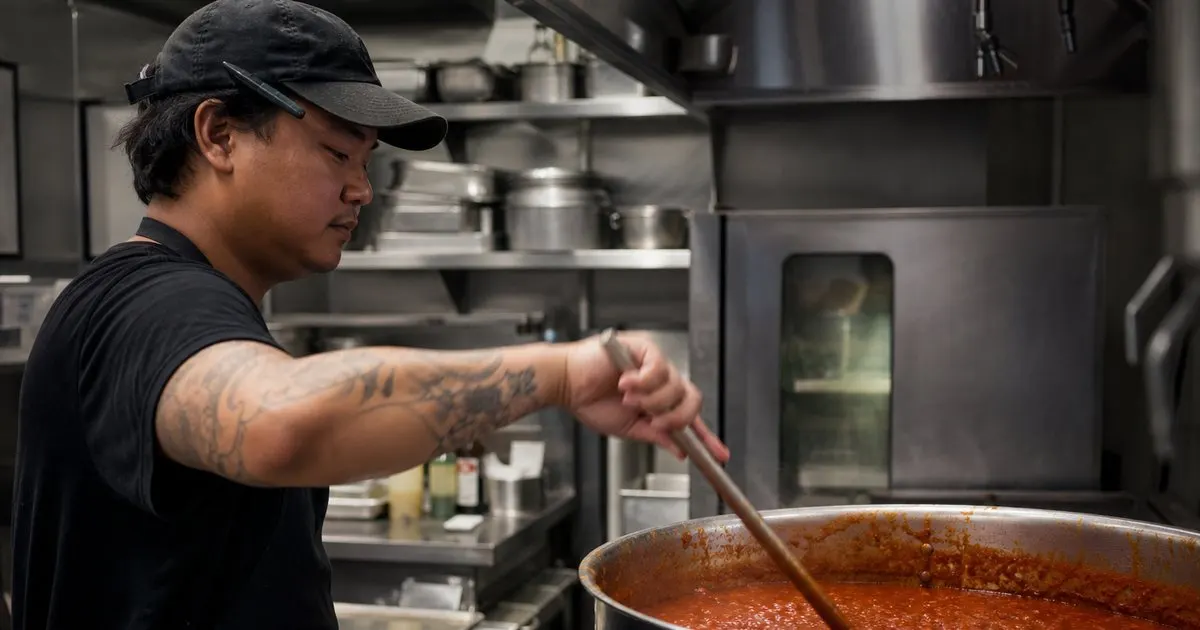
Shared components are everywhere
A house sauce, a spice blend, or a batch of dough shows up across many dishes. Costing them separately in each recipe invites inconsistency. Related: Why does recipe costing in a spreadsheet break down as a menu grows?
Sub-recipes let you cost that component once and reuse the number everywhere it appears.
Keep reading: How do you cost a recipe accurately down to the true plate cost?, What is food cost percentage and why does it matter for a menu?, How should you price a menu using both plate cost and target margin?. See how PlateCostr helps you recipe food-cost and menu margin calculator.
One update, everywhere
When an ingredient in a shared sauce changes price, a sub-recipe updates every dish using it at once. Without it, you would edit each plate by hand. Related: How should you price a menu using both plate cost and target margin?
That single point of update is what keeps a large menu accurate as costs move.
Cleaner recipe building
Building a plate from a costed sub-recipe is faster and less error prone than re-listing every ingredient. You reference the component and move on.
Cleaner builds mean fewer mistakes and a menu you can actually keep current.
Honest batch costs
A sub-recipe costed with its real yield gives an honest per-portion cost of the component. Guessing the sauce cost distorts every plate downstream. Related: How do you cost a recipe accurately down to the true plate cost?
Getting the batch cost right once pays off across every dish that leans on it. Related: How do you manage blended food cost across an entire menu each month?
- Shared components appear across dishes
- Cost a sub-recipe once and reuse it
- One update flows to every dish
- Honest batch costs keep plates accurate

Julien Jimenez
Julien Jimenez is an independent software builder based in Paris. He designs, ships, and operates focused SaaS products for small businesses and independent professionals. Read the full author page.
Frequently asked questions
What is a good example of a sub-recipe in a kitchen?
A house vinaigrette, a braising stock, a spice blend, or a batch of pizza dough are all sub-recipes. Each is made in bulk, then portioned into many finished plates.
How do you cost a sub-recipe per portion?
Cost the full batch from its ingredients, then divide by the yield in usable portions or grams. That per-unit figure plugs into any recipe that draws on the batch.
Know The True Cost Of Every Plate
Recipe food-cost and menu margin calculator. PlateCostr is built to help you put this into practice.
Start free trialMore from the PlateCostr blog

How do you cost a recipe accurately down to the true plate cost?

What is food cost percentage and why does it matter for a menu?

How should you price a menu using both plate cost and target margin?
Get the PlateCostr playbook
Practical guides on menu costing and margin, straight to your inbox as we publish them. No spam, unsubscribe any time.