How do you find the menu items quietly dragging your margin down?
Spot the dishes that sell well but earn little before they hurt you.
Compare each item's plate cost, menu price, and sales volume side by side. The quiet losers are popular dishes with thin margins or high-cost items that barely sell. Sorting by contribution margin and units sold exposes them, so you can reprice, re-engineer, or retire the weakest performers.
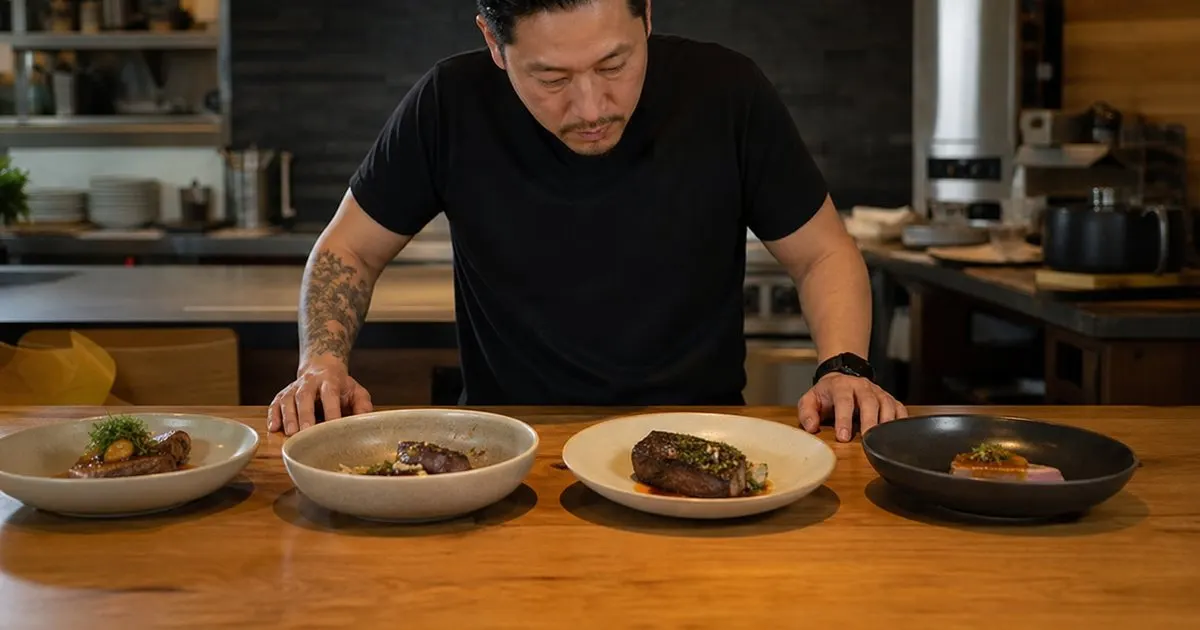
Popular is not the same as profitable
A best-selling dish can still be a margin loser if its cost is too high. Volume on a thin plate multiplies the loss. Related: How do you cost a recipe accurately down to the true plate cost?
Looking at cost and margin per item separates the dishes that sell from the ones that actually earn. Related: What is food cost percentage and why does it matter for a menu?
Keep reading: How do you cost a recipe accurately down to the true plate cost?, What is food cost percentage and why does it matter for a menu?, How should you price a menu using both plate cost and target margin?. See how PlateCostr helps you recipe food-cost and menu margin calculator.
Read cost and margin together
A single low margin item might be fine, but a low margin bestseller is a problem. Pairing margin with sales volume reveals the real drag.
The dishes to watch are high volume and low margin, since they move the most money the wrong way.
Diagnose before cutting
A margin loser does not always need to leave the menu, because a portion tweak or price move may fix it. Diagnose the cause first. Related: How should you price a menu using both plate cost and target margin?
Sometimes a small ingredient swap restores the margin without touching the price or the guest's experience. Related: How do you protect margins when ingredient prices keep rising fast?
Rebalance the menu
Beyond single dishes, the menu mix matters, so featuring high-margin items can lift the blended number. Guide the guest toward the winners.
Placement, descriptions, and specials all nudge the mix, improving profit without repricing the whole menu.
- Bestsellers can still lose margin
- Read margin against sales volume
- Diagnose before cutting a dish
- Rebalance the mix toward winners

Julien Jimenez
Julien Jimenez is an independent software builder based in Paris. He designs, ships, and operates focused SaaS products for small businesses and independent professionals. Read the full author page.
Frequently asked questions
What is menu engineering?
Menu engineering plots each dish by popularity and profitability to classify it as a star, plow-horse, puzzle, or dog. The grid guides which items to promote, fix, reprice, or cut.
Why can a best-selling dish still hurt profit?
High volume magnifies a thin margin. If a popular item barely clears its cost, every extra sale adds little profit while consuming labor, prep time, and menu space that a stronger dish could use.
Know The True Cost Of Every Plate
Recipe food-cost and menu margin calculator. PlateCostr is built to help you put this into practice.
Start free trialMore from the PlateCostr blog

How do you cost a recipe accurately down to the true plate cost?

What is food cost percentage and why does it matter for a menu?

How should you price a menu using both plate cost and target margin?
Get the PlateCostr playbook
Practical guides on menu costing and margin, straight to your inbox as we publish them. No spam, unsubscribe any time.