
Menu Costing and Margin
How do you cost a recipe accurately down to the true plate cost?
Build a plate cost that reflects real ingredient prices and yields.
Practical, honest advice from the team behind PlateCostr, written to help you do this well.
Build a plate cost that reflects real ingredient prices and yields.

Understand the number every operator watches and what it really tells you.

Set prices grounded in real costs instead of matching the place next door.

React to vendor price hikes before they quietly sink a dish.
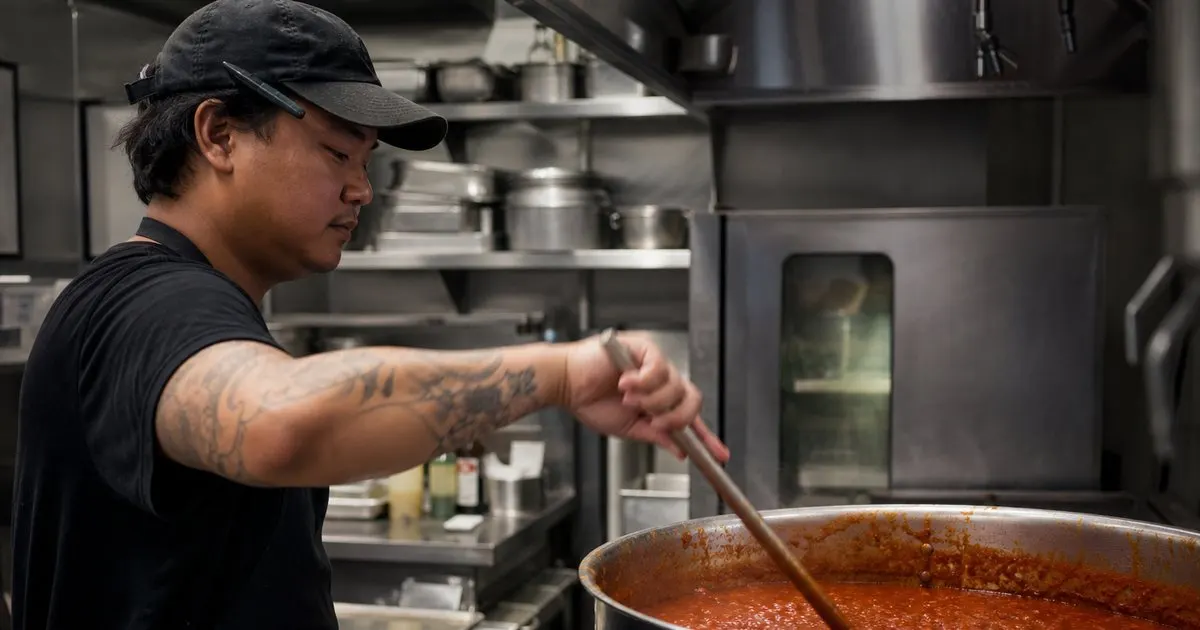
Cost shared components once so every plate that uses them is right.
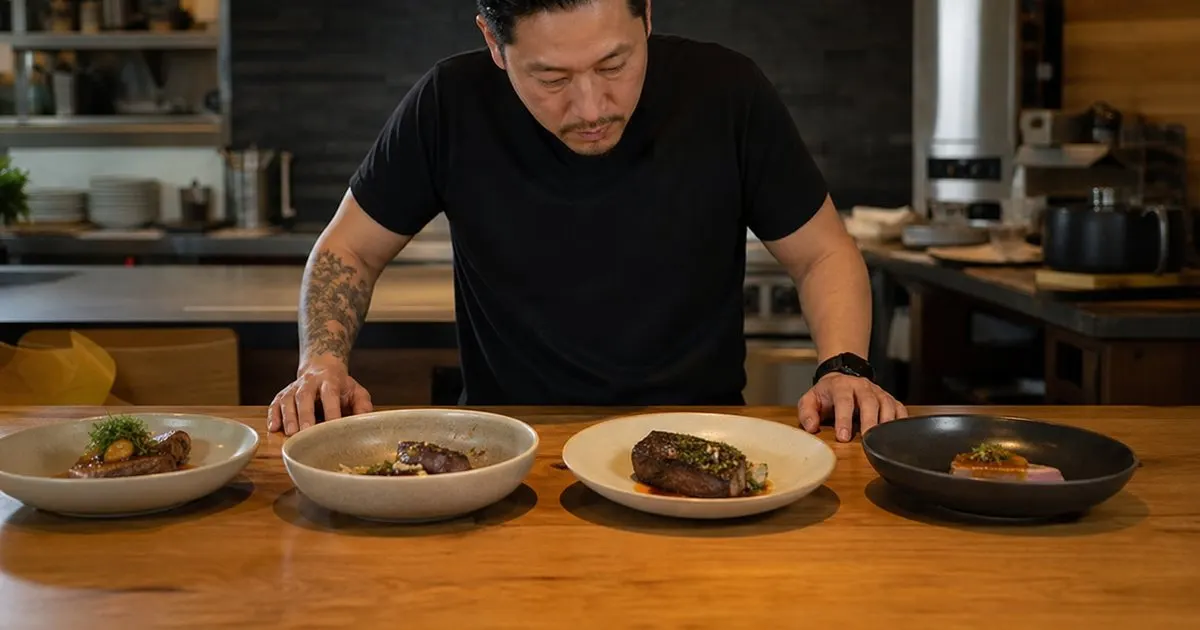
Spot the dishes that sell well but earn little before they hurt you.

See why the scoop and the scale protect both margin and the guest.

Understand where manual costing fails and what a real tool changes.

Steer the whole-menu number, not just one dish at a time.

As-purchased price is not what your plate actually costs. Here is how yield testing turns a case price into the real cost of the portion that reaches the guest.
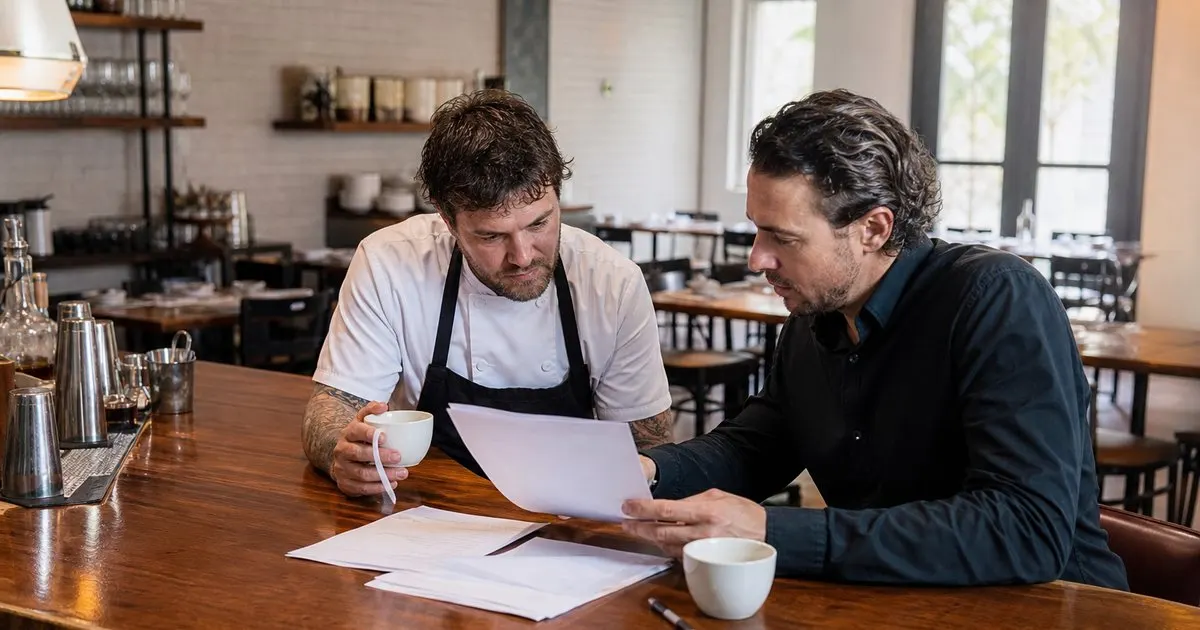
Menu engineering sorts every dish by popularity and contribution margin. The useful part is what you do with each quadrant afterward.
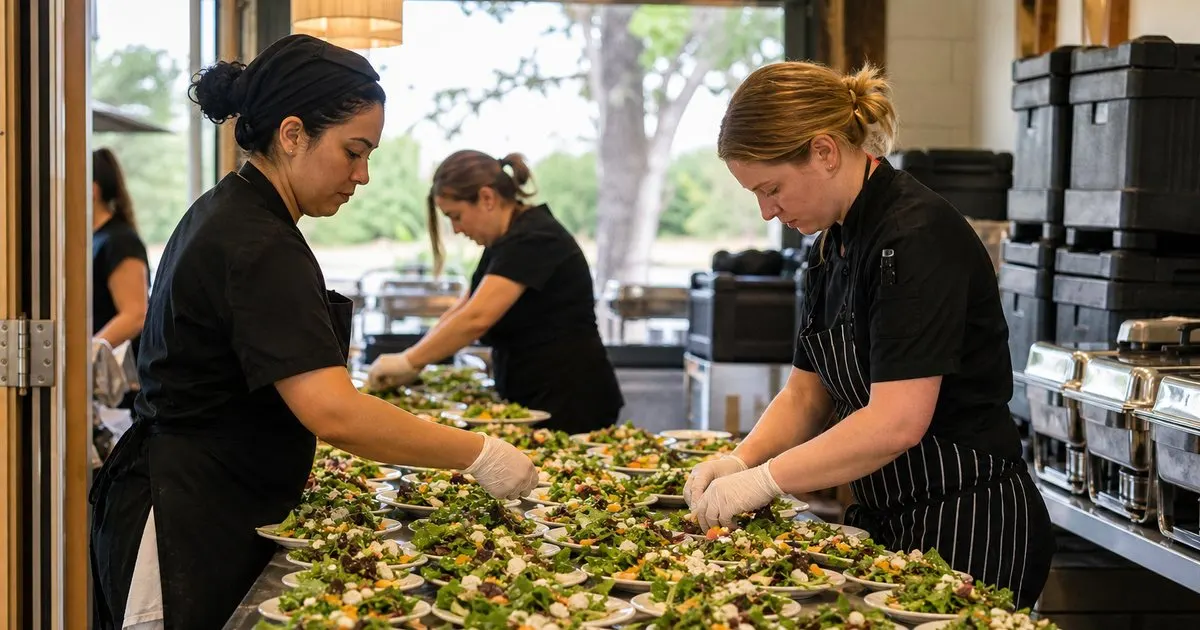
Catering quotes fail when they are built from restaurant menu prices instead of event-specific costs. Here is a costing approach that holds up when the guest count changes.

Specials are where creativity and margin collide. A ten-minute costing habit keeps them from becoming the most expensive item you sell.

A cocktail is a recipe like any plate, and pour cost is its food cost percentage. Here is how to bring the bar into the same costing discipline as the kitchen.
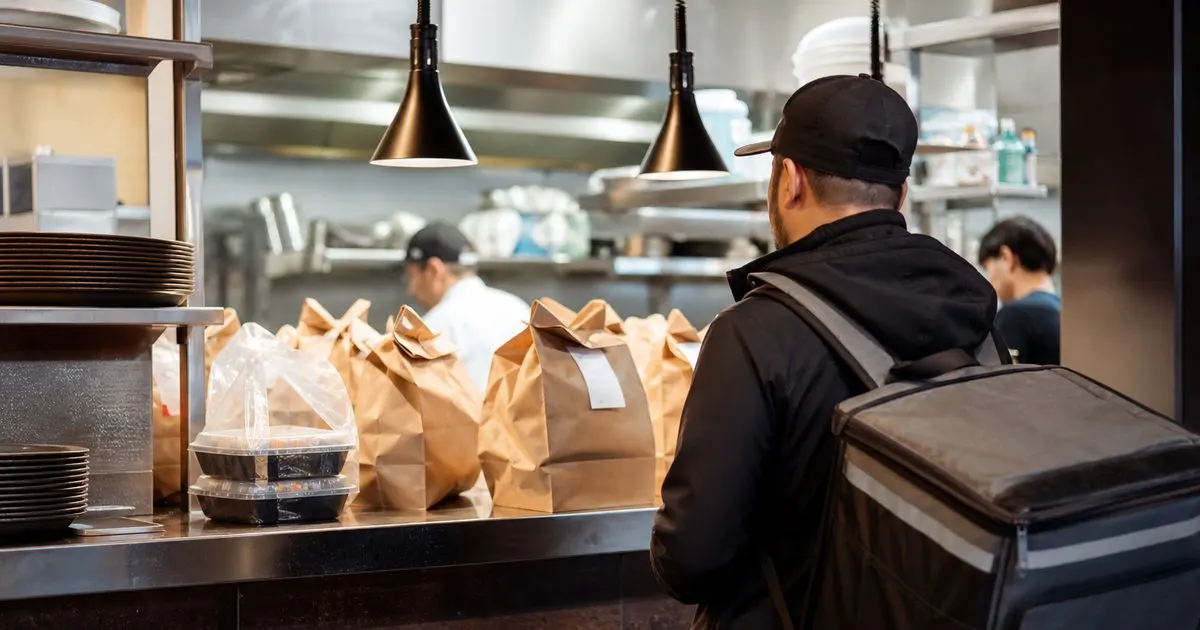
The plate cost does not change when an order comes through a delivery app, but the price you keep does. Here is how to cost delivery orders honestly.
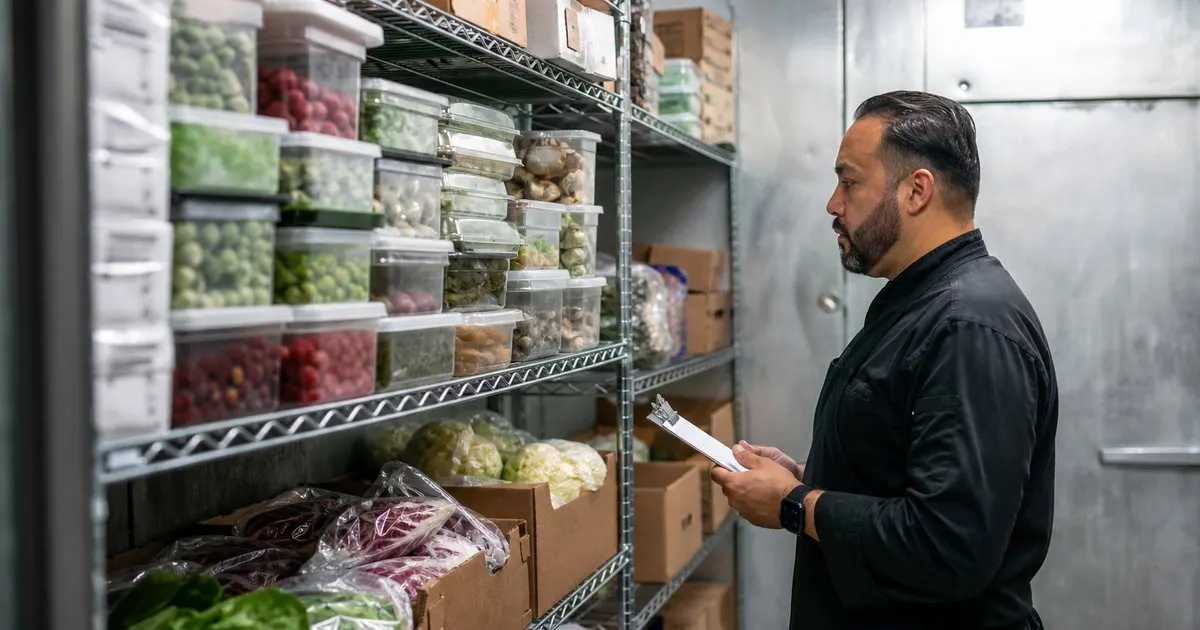
Your recipes say one number, your inventory count says another. The gap between them is the most useful report in the kitchen if you know how to read it.

Food cost tells you how well you buy and portion. Prime cost tells you whether the restaurant can survive. Here is how the two fit together.

When guests pay one price for several courses, plate cost has to be understood across the whole sequence. Here is how to cost, price, and protect a set menu.
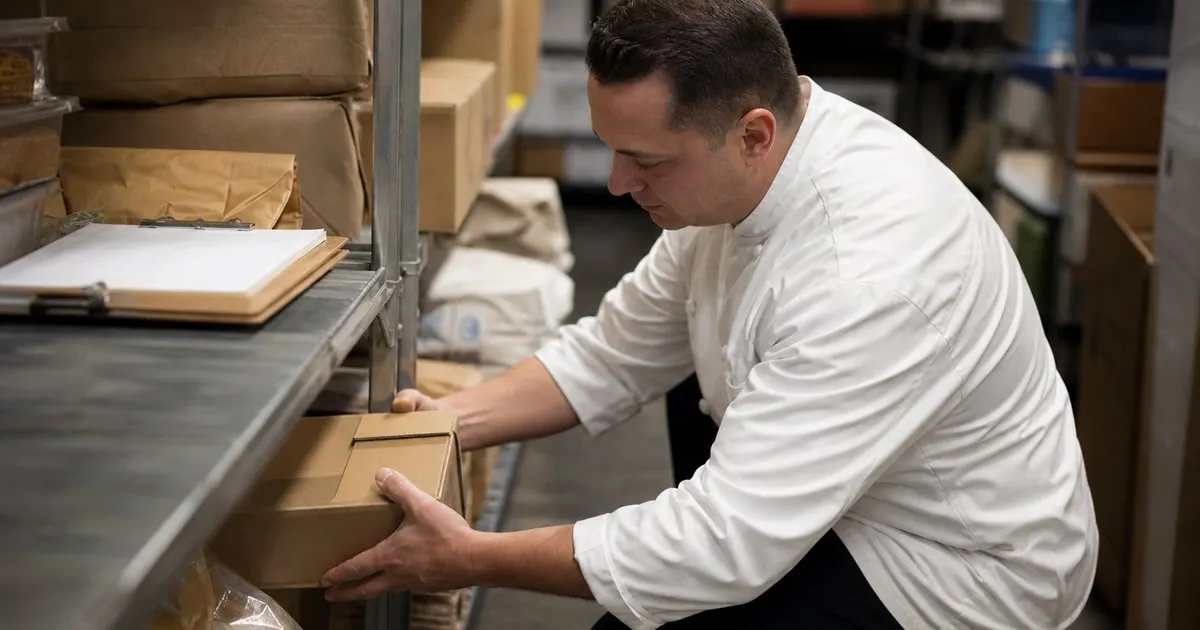
A pack size change rarely announces itself on the invoice, but it moves the unit cost behind every recipe that uses the item. Here is how to catch it at receiving and fix it in one place instead of fifty.

Sometimes the price your target margin calls for is more than guests in your neighborhood will pay. This is how to measure that gap and choose between repricing, reworking the spec, or letting the dish go.