How does portion control affect food cost and plate consistency over time?
See why the scoop and the scale protect both margin and the guest.
Consistent portions tie actual food cost to your costed recipe, so what you plate matches what you priced. Without controls, over-portioning silently inflates cost and shrinks margin, while uneven servings frustrate guests. Scales, scoops, and standardized specs hold both cost and the guest experience steady over time.
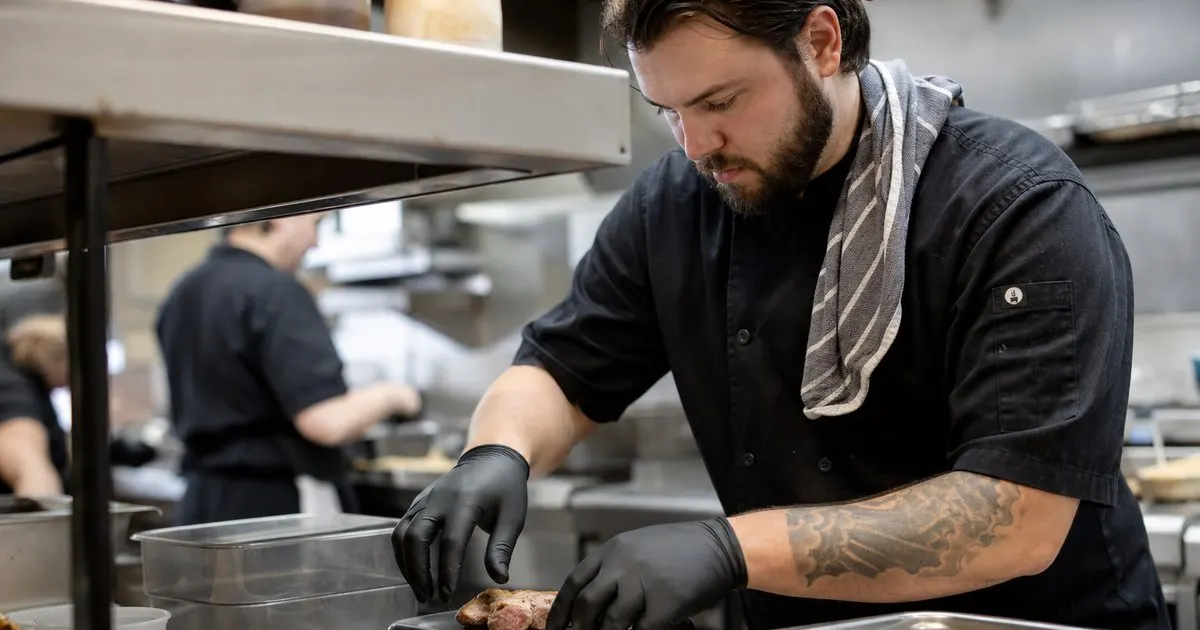
Portions are your costed assumption
Every plate cost assumes a specific portion, so a heavy hand quietly breaks the math. An extra ounce here and there adds up fast. Related: How should you price a menu using both plate cost and target margin?
Controlling the portion keeps the actual cost in line with the costed number you priced against. Related: How much does trim waste really add to plate cost when you skip yield tests?
Keep reading: How do you cost a recipe accurately down to the true plate cost?, What is food cost percentage and why does it matter for a menu?, How should you price a menu using both plate cost and target margin?. See how PlateCostr helps you recipe food-cost and menu margin calculator.
Consistency for the guest
Portion control is not only about cost, because guests expect the same plate every visit. A shrinking or swelling portion erodes trust. Related: How do you protect margins when ingredient prices keep rising fast?
Consistent portions make the experience reliable, which is its own reason to weigh and scoop.
Use the right tools
Scales, scoops, and portioned pans turn portion control from a judgment call into a routine. Tools remove the drift that eyeballing invites.
Standardizing tools per item makes the correct portion the easy default on a busy line.
Check against the cost
Comparing actual usage to what your recipes assume catches portion drift before it dents the margin. A gap between the two is a warning.
Regular checks keep the costed plate and the served plate the same thing, which is where consistent food cost lives. Related: How do you cost a recipe accurately down to the true plate cost?
- Plate cost assumes an exact portion
- Consistent portions build guest trust
- Use scales and scoops, not the eye
- Check usage against costed portions

Julien Jimenez
Julien Jimenez is an independent software builder based in Paris. He designs, ships, and operates focused SaaS products for small businesses and independent professionals. Read the full author page.
Frequently asked questions
What tools help enforce portion control?
Portion scales, standardized scoops and ladles, ramekins, and pre-portioned proteins all help. Photo plating guides and clear recipe specs keep every cook serving the same amount.
How does portion control reduce waste?
Standard portions mean you prep and plate only what a recipe calls for, so fewer over-served plates and less trim end up in the bin. Predictable usage also sharpens ordering.
Know The True Cost Of Every Plate
Recipe food-cost and menu margin calculator. PlateCostr is built to help you put this into practice.
Start free trialMore from the PlateCostr blog

How do you cost a recipe accurately down to the true plate cost?

What is food cost percentage and why does it matter for a menu?

How should you price a menu using both plate cost and target margin?
Get the PlateCostr playbook
Practical guides on menu costing and margin, straight to your inbox as we publish them. No spam, unsubscribe any time.