How should a chef cost a daily special before it goes on the board?
Specials are where creativity and margin collide. A ten-minute costing habit keeps them from becoming the most expensive item you sell.
Why specials so often lose money
A daily special usually starts with an ingredient, not a price. The fish supplier has beautiful halibut, the farm delivered extra tomatoes, a cook wants to try a dish from a trip. All good reasons. The problem is that the price ends up set by instinct, often anchored to the nearest regular menu item, and the plate is more generous than anything on the printed menu because the chef is proud of it. Related: How should you price a menu using both plate cost and target margin?
Add the hidden costs: a special typically uses ingredients bought in small quantities at higher unit prices, it needs its own prep, it is not on the recipe card the line already knows, and whatever is left after service tomorrow has no home. Specials can absolutely make money, and they are one of the best tools for moving inventory before it turns, but only if the costing is done before the price is written on the board.
Keep reading: How do you cost a recipe accurately down to the true plate cost?, What is food cost percentage and why does it matter for a menu?, How should you price a menu using both plate cost and target margin?. See how PlateCostr helps you recipe food-cost and menu margin calculator.
The ten-minute costing routine
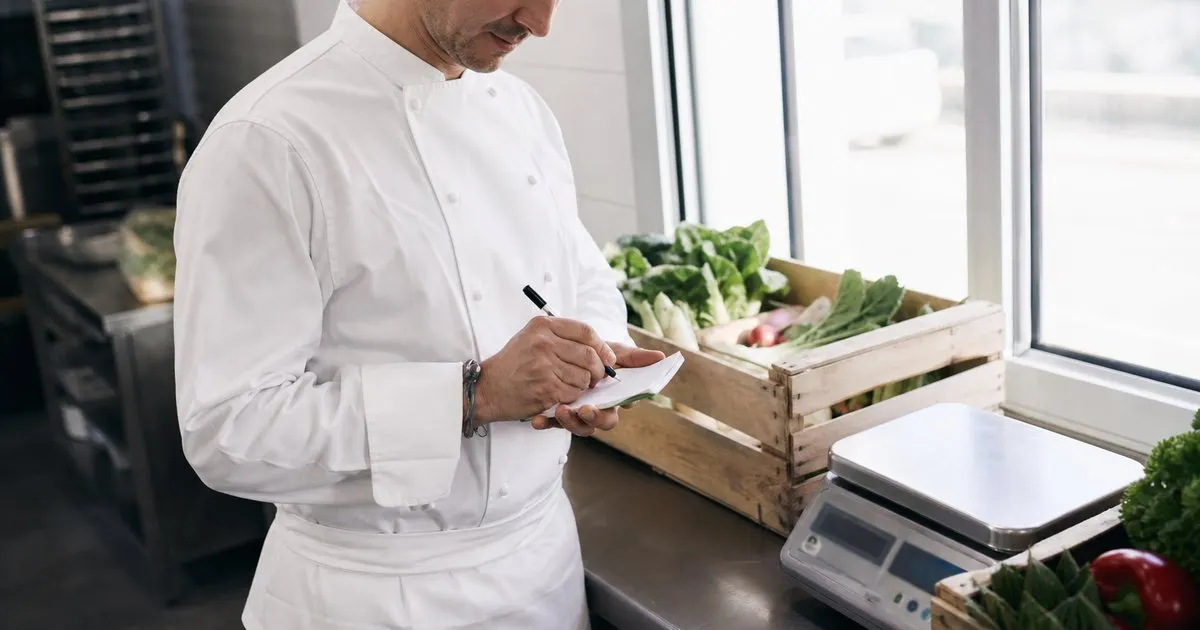
Cost the special the same way you cost a permanent item, just faster. List every component including the garnish, the sauce, the starch, and the finishing oil. For each, note the quantity per plate and the current price from the most recent invoice. If a component is already a costed sub-recipe, use its per-unit cost rather than rebuilding it. Add a fair allowance for the waste you already know will happen, such as the trim on a whole fish or the last inch of a sauce that will not plate. Related: How do you cost a recipe accurately down to the true plate cost?
Now you have a plate cost. Price the special so it delivers at least the contribution margin in dollars of your comparable regular entrees, not just a similar food cost percentage. A special that hits your percentage target but sits at a lower price point puts fewer dollars in the till than the dish it displaced. If the honest price feels too high for the room, adjust the portion or a component rather than accepting a thin margin. Related: What is food cost percentage and why does it matter for a menu?
Using specials to protect the rest of the menu
The best specials are the ones that turn inventory you already own into revenue. Look at the walk-in before you look at the market list. Proteins approaching their use-by date, produce that came in heavier than expected, sub-recipes made in surplus for a canceled event: these are near-zero incremental cost, and a special built around them can carry a very healthy margin while clearing space.
Track which specials sold and at what margin, even in a simple log. After a few months you will know which ideas the room responds to and which ones sat. That record becomes the pipeline for menu changes: a special that sells well at a good margin three times running is a candidate for the printed menu, and it already has a costed recipe waiting.
Keeping the special consistent across the shift
A special that is costed at one portion size and plated at another loses the margin you calculated. Write the recipe card, even a short one, and post it at the station. Include the portion weight for the protein, the number of pieces or the ladle size for everything else, and a plating photo if you have time. The cook on the second half of the shift should plate the same dish the chef plated for the first table.
When the special runs out, it runs out. Do not substitute a premium ingredient to keep it going for the last few orders. If you cost a halibut special and serve the final plates with a more expensive cut because that is what is left, the evening's margin on that item is gone. Count the portions before service, put that number on the board, and stop when you get there. Related: How do you protect margins when ingredient prices keep rising fast?
- Cost the special before the price goes on the board, including garnish, sauce, starch, and expected waste.
- Price for the contribution margin in dollars of comparable entrees, not just a food cost percentage.
- Build specials from inventory you already own to convert near-zero incremental cost into strong margin.
- Write a short recipe card, count portions before service, and stop when they are gone.

Julien Jimenez
Julien Jimenez is an independent software builder based in Paris. He designs, ships, and operates focused SaaS products for small businesses and independent professionals. Read the full author page.
Know The True Cost Of Every Plate
Recipe food-cost and menu margin calculator. PlateCostr is built to help you put this into practice.
Start free trialMore from the PlateCostr blog
How do you cost a recipe accurately down to the true plate cost?
What is food cost percentage and why does it matter for a menu?

How should you price a menu using both plate cost and target margin?
Get the PlateCostr playbook
Practical guides on menu costing and margin, straight to your inbox as we publish them. No spam, unsubscribe any time.