How do you cost cocktails and bar pours the same way you cost plates?
A cocktail is a recipe like any plate, and pour cost is its food cost percentage. Here is how to bring the bar into the same costing discipline as the kitchen.
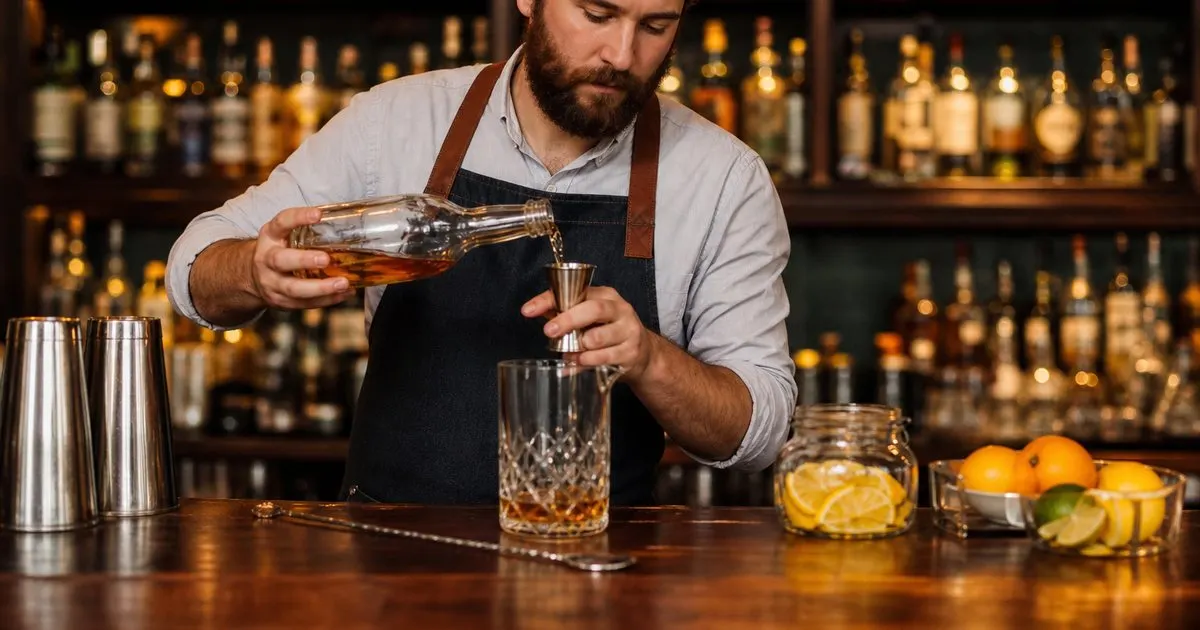
Costing a drink is just costing a plate with different units
Kitchens have mostly accepted that every dish needs a costed recipe. Bars often have not, partly because a cocktail feels simpler than a plate and partly because bar inventory is measured in bottles rather than pounds. But the math is identical. A cocktail is a recipe with ingredients, quantities, and a selling price, and its drink cost is the sum of the ingredient costs per pour. Divide that drink cost by the selling price and you have the pour cost, which is the bar's name for food cost percentage. When a bar manager quotes a pour cost as a percentage, that ratio is what is being described, not a dollar amount. Related: How do you cost a recipe accurately down to the true plate cost?
The units are the only new wrinkle. A bottle has a known volume, a jigger measures ounces or milliliters, and the cost per ounce is the bottle price divided by the bottle volume. Convert everything to a single unit, usually fluid ounces in the US, and store the per-ounce cost on the ingredient. From there, a cocktail card that lists two ounces of one spirit, three quarters of an ounce of another, and half an ounce of a house syrup costs itself. Related: How do you protect margins when ingredient prices keep rising fast?
Keep reading: How do you cost a recipe accurately down to the true plate cost?, What is food cost percentage and why does it matter for a menu?, How should you price a menu using both plate cost and target margin?. See how PlateCostr helps you recipe food-cost and menu margin calculator.
The ingredients bartenders forget to cost
Spirits get costed because they are expensive and obvious. The leaks are in everything else: house syrups, fresh juice, garnishes, ice, and the tonic or soda that tops the drink. A house simple syrup is a sub-recipe with sugar, water, and a yield. Fresh citrus juice has a real yield per pound of fruit, and that yield changes with the season. A garnish that uses a dehydrated wheel or a fresh herb sprig is a few cents that multiply over a busy night.
Cost these as sub-recipes, exactly as the kitchen does with stock or a mother sauce. Once the syrup, the juice, and the garnish each have a per-unit cost, every cocktail that uses them inherits an accurate number, and a change in sugar or lime prices updates the whole cocktail list at once. Beer and wine by the glass follow the same logic: cost per pour equals package cost divided by pours per package, adjusted for realistic foam or spillage.
Overpouring, spillage, and the gap between recipe and reality
A costed cocktail card tells you the theoretical pour cost. The bar's actual beverage cost, measured from purchases and inventory counts, is nearly always higher. The difference comes from free pours that drift above the jigger, comped drinks that are not rung in, spills, broken bottles, and the occasional bottle that walks out the back door. Kitchens have the same theoretical-versus-actual gap, but bars tend to have a wider one because the product is liquid and the pace is fast.
The fix is not suspicion, it is measurement. Take a full bar inventory on a regular cadence, weekly for high-volume bars, and compare actual usage against what the point of sale says was sold. A variance report by spirit tells you where the gap lives. Jiggers, spec sheets at the well, and a clear comp policy close most of it. The cocktail recipes with accurate costs are what make the variance report meaningful in the first place.
Pricing drinks for dollars, not just percentage
Bar programs often quote a target pour cost, and a target is fine as a guardrail. But as with food, the percentage can mislead. A premium spirit poured neat may carry a higher cost percentage and a much larger dollar margin than a well drink. Look at contribution margin per drink alongside the percentage, and design the menu so the drinks you promote are the ones that earn the most dollars. Related: What is food cost percentage and why does it matter for a menu?
Review the cocktail list with the same menu engineering lens used for entrees: popularity against margin in dollars. Retire the drinks that neither sell nor earn, feature the ones that do both, and adjust the recipe or price on the popular low-margin drinks one change at a time. Bringing the bar into the same costing system as the kitchen makes that review possible without a separate spreadsheet that only the bar manager understands. Related: How should you price a menu using both plate cost and target margin?
- A cocktail is a recipe: drink cost is the sum of per-ounce ingredient costs, and pour cost is that figure as a share of the selling price.
- Syrups, juices, garnishes, and mixers are sub-recipes that need real costs and yields.
- Compare theoretical pour cost with actual usage from inventory counts to find overpouring and shrinkage.
- Price and review drinks on contribution margin in dollars, using the same menu engineering approach as food.

Julien Jimenez
Julien Jimenez is an independent software builder based in Paris. He designs, ships, and operates focused SaaS products for small businesses and independent professionals. Read the full author page.
Know The True Cost Of Every Plate
Recipe food-cost and menu margin calculator. PlateCostr is built to help you put this into practice.
Start free trialMore from the PlateCostr blog

How do you cost a recipe accurately down to the true plate cost?

What is food cost percentage and why does it matter for a menu?

How should you price a menu using both plate cost and target margin?
Get the PlateCostr playbook
Practical guides on menu costing and margin, straight to your inbox as we publish them. No spam, unsubscribe any time.